Section 02 / Comparison
Why advanced training beats another decade of ordinary driving
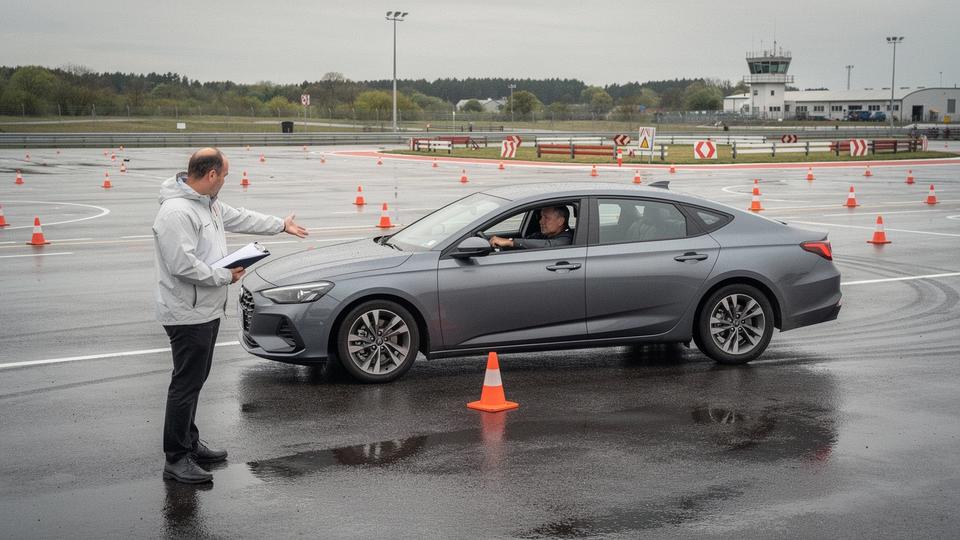
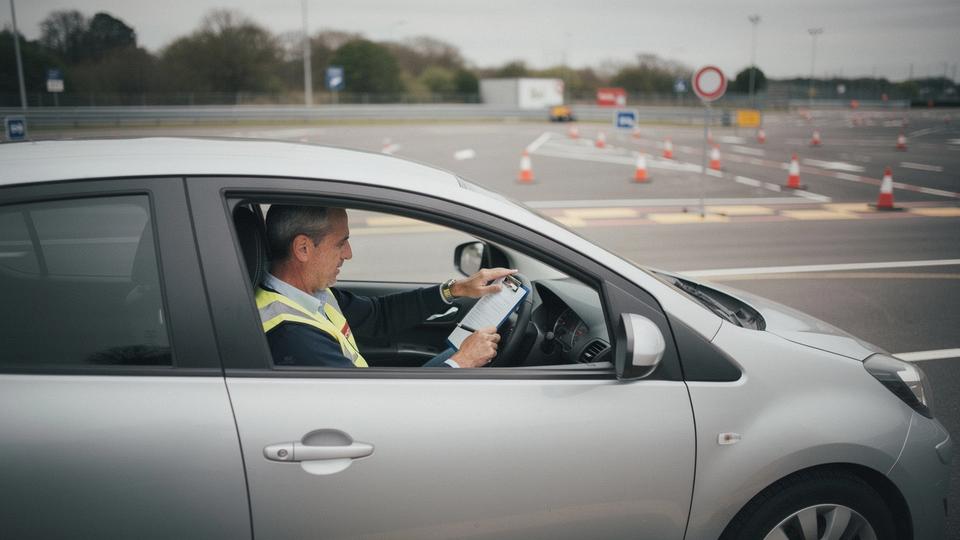
Experienced drivers rarely get supervised practice in hazard recognition. Our programs run on a closed course with instructors, simulators and telemetry, so progress is measured rather than assumed.
▲At 60 km/h, a 0.3 second delay in reaction time adds about 5 metres of stopping distance. Untrained drivers average 1.2 seconds.
Typical driving practice compared with advanced defensive training
| Criteria |
Typical driving practice |
Advanced defensive training |
| Setting |
Public roads, traffic, no supervision |
Closed course, instructor beside you, skid pad |
| Feedback |
Self-assessed, nothing recorded |
Telemetry and simulator readouts after every run |
| Reaction time |
Around 1.2 s average, never measured |
0.9 s average after the program |
| Hazard recognition |
Picked up by luck over the years |
Drilled scenarios repeated until recognition is automatic |
| Vehicle control |
Instinct, no recovery practice |
Skid recovery, threshold braking, evasive lane changes |
| Progress |
Not tracked |
Before and after metrics reviewed with your instructor |
Entry requirement: 5+ years of driving experience and a valid license. This is not a beginner driving school.